
Grain Silo vs. Grain Bin: What’s the Difference?
Published by The Grain Handling Direct Team on May 12th 2026
Grain bins and silos have been quality and profitable farm staples for generations, but what do they do? In our explainer, we’ll break down the key differences between a grain bin and a grain silo, from why they have specific shapes to what farmers use them for.
Grain Bin vs. Silo: Key Differences at a Glance
The key difference of the silo vs. grain bin comparison comes down to what each structure actually stores. A grain bin is intended for dry grain storage, while a silo is typically for silage, fermented feed, or other bulk materials.
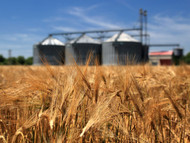
Grain bins are shorter and wider, with a peaked roof and metal walls. Farmers trust grain bins to store crops such as corn, soybeans, wheat, barley, and oats. Many bins also come with fans, floors, and unload systems to keep grain dry and easy to move.
A grain silo, on the other hand, is taller and narrower, especially when it’s a tower silo. Silos can come in bunker or bag form, depending on the farm’s needs. These structures are built for fermentation instead of dry grain conditioning.
Their Structural Materials
Another key difference between grain bins and silos that anyone can see by looking at them is their structural materials. Since they’re shaped differently and have different functions, silos and bins are often made of distinct materials.
A grain bin is often made of smooth or corrugated metal. A silo is typically concrete, brick, wood, or sometimes metal since it’s much taller. Observers will also notice that grain bins typically have other structural accessories and equipment for loading and unloading grain products, such as grain leg towers.
Cost and Operational Differences
Another distinction between grain bins and silos is how farmers use them each day. Grain bins are the more practical choice for dry grain storage since they can be added as a farm grows. A farmer might start with one steel bin and add more storage down the road as yields, acreage, or harvest needs increase.
Silos are more specialized. While they’re valuable for farms seeking silage storage, they’re not typically the first choice for dry grain that will be sold later. Their construction, loading process, and storage purpose are connected more closely to feed management.
Grain bins require greater attention to airflow, moisture, and temperature, with fans, vents, and aeration systems safeguarding dry grain from spoilage. Silos are more focused on keeping the stored material in the right sealed or controlled condition for fermentation.
The structure also ends up shaping the maintenance needs. Grain bin maintenance can include checking fans, floors, doors, roof panels, unload systems, and seals. Silo maintenance, meanwhile, may prioritize the walls, access points, unloading equipment, and overall structural condition.
From the financial perspective, grain bins tend to be lower cost and easier to scale. Silos often carry a higher upfront cost, given their specialty use cases.
Their Storage
The last difference between silos and bins we’ll explore is their primary function on farms and facilities. As we mentioned, the two structures of grain bins and silos have different shapes, constructions, and levels of ventilation because of their distinct purposes for farms.
Grain silos store silage, which includes grasses for fermented animal feed and other bulk food products. Grain bins store dry grain products, including:
- Barley
- Wheat
- Corn
- Soybeans
- Oats
While dry grain is for selling and is essential to a farm’s profitability, silage is for farm upkeep and maintenance and rarely leaves the property for selling.
Maintenance and Management Requirements
Grain bins and silos also demand different types of management after installation. A grain bin often needs more active monitoring, as dry grain quality can decline if moisture, temperature, or airflow aren’t controlled.
Farmers should check on stored grain regularly, especially throughout harvest and seasonal temperature changes. Grain that’s too wet or not aerated properly can spoil, crust, or lose value. Clean equipment, working fans, and regular inspections all protect the crop while in storage.
Silos are managed with a different approach. Instead of moving air through dry grain, the goal is to keep the right sealed conditions for fermentation. Operators should look for structural wear, safe access points, and proper unloading practices.
Safety is important for both structures. Grain bins can create risks from flowing grain, dust, and confined spaces, while silos can involve gases, height hazards, and unloading equipment. Proper maintenance habits protect both the stored material and the people working with it.
Key Takeaways on Grain Bins vs. Silos
Grain bins and silos might look similar from a distance, but they serve distinct purposes. It’s crucial to understand their differences, as the wrong storage choice can affect grain quality, workflow, and long-term value.
If you’re exploring grain storage options for your farm, Grain Handling Direct can help you find equipment that fits your operation. Feel free to contact Grain Handling Direct with any questions about grain bins, silos, or other grain handling systems.