null

Grain Bin Fans

(Showing 12 of 22)

Grain bin fans are a hallmark of modern grain storage, moving air through stored grain to control temperature, manage moisture, and reduce the risk of spoilage. When airflow stays consistent, farms protect grain quality longer and minimize the likelihood of hot spots, mold, and uneven storage conditions.

For most grain bins, fans are installed at the base of the structure and work with flooring, vents, and ducts to push air upward through the grain mass. This process supports aeration, which equalizes temperature and reduces moisture migration. For crops such as corn and small grains, added control can make a meaningful difference in storage life and market quality.

When it comes to storage upgrades, the goal isn’t merely to move air; it’s to move the right amount of air at the right time for the bin, crop, and storage plan. That’s why grain bin fans are regarded as one of the most practical tools for preserving grain after harvest.

Selecting The Right Grain Bin Fan

Choosing the right fan begins with understanding bin diameter, grain depth, crop type, and whether your main goal is storage aeration or low-temperature drying. Airflow is commonly measured in CFM, and the needed output changes based on bushels stored and the resistance created by the grain mass. So, as grain depth increases, static pressure increases, too, affecting the overall fan performance.

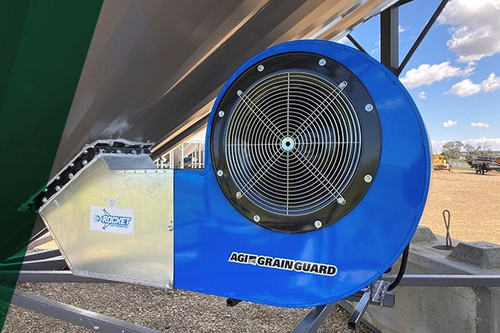
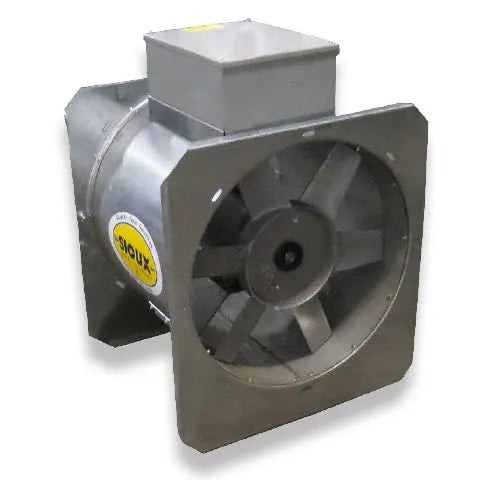
Axial fans are often used when operators need high airflow at lower static pressure; they can be a great fit for general aeration in bins with lower resistance. Centrifugal fans, meanwhile, are well-suited for higher static pressure applications, deeper grain, or systems that require stronger air delivery. When buyers compare different options, the axial-versus-centrifugal decision is one of the most important factors.

Power supply is also paramount. Depending on the model and operating demands, some systems are better suited to single-phase power while others require three-phase service. Properly matching the fan to the application improves energy efficiency and airflow while lowering the risk of underpowered equipment during critical storage periods. For buyers browsing grain bin fans for sale, picking the right system supports better grain preservation and more reliable performance.

Built For Real Farm Storage Conditions

Quality grain bin fans perform in demanding agricultural environments where dust, weather, debris, and long seasonal run times all test durability. Heavy-duty housings, efficient impeller designs, and dependable motors help steady airflow when it matters most.

Reliable construction is especially important during harvest, when downtime can create storage problems fast. Additionally, regular maintenance plays a direct role in fan performance. Before peak use, operators should inspect motors, wiring, guards, and airflow openings. Clearing obstructions, checking for vibration, and addressing unusual noise early can extend service life and reduce interruptions.

As part of a well-planned storage setup, grain bin fans help protect grain quality and improve airflow management across the season. Shop all solutions from Grain Handling Direct to find equipment built for dependable agricultural storage.

Compare
Show 12 24 36 48 96 All