-
$4,830.00 - $5,701.00Standard Ship Time 4-6 Weeks
-
$8,088.00 - $13,679.00Standard Ship Time 4-6 Weeks
-
$2,647.00 - $3,830.00Standard Ship Time 4-6 Weeks
Grain aeration systems are designed to move air through stored grain to control temperature and moisture levels. These systems play a critical role in maintaining grain quality after harvest by creating consistent airflow throughout the bin. At Grain Handling Direct, aeration is a key part of effective grain storage technology and long-term grain protection.
Aeration works through temperature equalization and moisture control. Temperature differences inside a bin can cause moisture to migrate and collect in certain areas. This leads to hot spots, condensation, and mold growth. Proper airflow helps stabilize conditions and reduces the risk of spoilage.
This process is especially important for corn and small grains, which are sensitive to moisture changes. In the Upper Midwest, seasonal temperature swings make aeration even more essential. Consistent airflow helps grain adjust to changing weather conditions and preserves quality during storage.
Grain aeration systems rely on several core components that work together to move air efficiently through stored grain. These include bin fans, fan transitions, heaters, vents, spreaders, and aeration floors, all of which support proper airflow and system performance.
Air typically moves from the bottom of the bin upward. Fans push air through the aeration floor and into the grain mass, allowing it to travel upward and exit through roof vents. This airflow pattern helps remove excess moisture and maintain even temperatures throughout the bin.
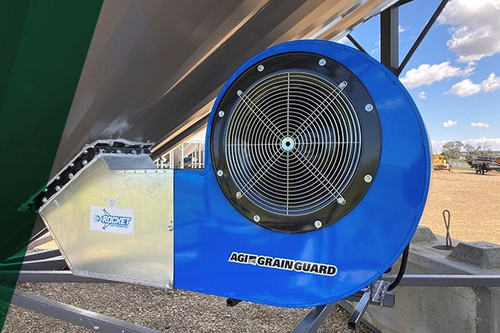
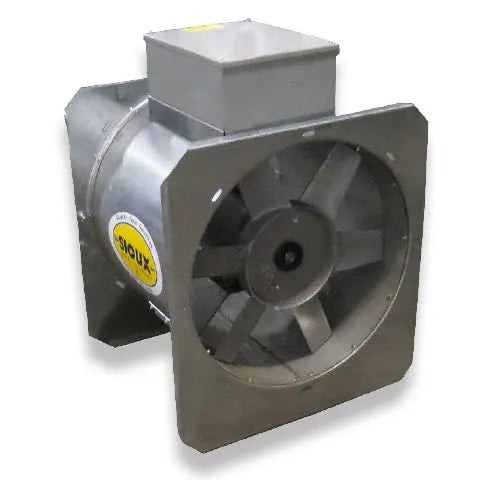
Each component serves a specific function. Bin fans generate the airflow needed to move air through dense grain. Fan transitions ensure efficient air delivery between the fan and bin. Aeration floors distribute air evenly, while vents allow air to escape. Spreaders improve grain distribution for better airflow, and heaters can provide low-temperature supplemental heat when needed.
Airflow is measured in CFM (cubic feet per minute) per bushel, which indicates how effectively air moves through the grain. Deeper grain increases static pressure, requiring more fan capacity to maintain airflow. Supplemental heat may be used to improve performance during cooler conditions.
Choosing the right grain aeration system depends on several important factors that influence performance and efficiency:
Proper system sizing supports consistent airflow, reduces energy waste, and protects grain quality throughout storage. Aeration also works alongside drying systems to improve moisture management and overall efficiency.
Explore dependable aeration components and complete solutions from Grain Handling Direct to support safer, more efficient grain storage operations.