
How Do Grain Bins Work?
Aug 13th 2026
What Is a Grain Bin and What Does It Do?
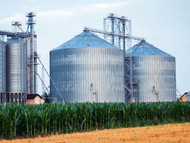
A grain bin is a large agricultural storage structure designed to safely store dry grain after harvest while maintaining proper moisture and temperature conditions. Grain bins are an essential part of modern grain storage systems because they protect harvested crops from weather, pests, spoilage, and quality loss.
The primary purpose of a grain bin is to preserve grain quality until the crop is ready to be sold, processed, or transported. Farmers commonly use grain bins to store crops such as corn, soybeans, and wheat for weeks, months, or even longer depending on market conditions and operational needs.
Unlike simple storage containers, modern grain bins create a controlled environment that helps maintain grain quality over time. By managing airflow, moisture levels, and temperature, grain bins reduce the risk of spoilage and allow producers to maximize the value of their harvested crops.
In agriculture, grain bins serve as a critical component of larger grain storage operations. They work alongside conveying equipment, drying systems, and aeration equipment to ensure harvested grain remains in optimal condition throughout storage.
Whether used on family farms or large commercial operations, grain bins provide a reliable solution for agricultural storage and dry grain storage needs. When paired with proper management practices and equipment, they help farmers maintain grain quality while gaining flexibility in marketing and logistics.
Learn more about complete grain storage solutions and systems available from Grain Handling Direct.
How Do Grain Bins Work? Step-by-Step Process
Grain bins function through a combination of storage, airflow management, and monitoring systems that work together to protect grain quality. Understanding the process helps explain why grain bins are such an important part of grain handling equipment and storage operations.
Step 1: Loading Grain into the Bin
After harvest, grain is transported from the field and loaded into the grain bin using grain loading systems such as augers, conveyors, or elevators. Before storage, grain is often dried to a safe moisture level to reduce the risk of spoilage.
Step 2: Grain Settles and Distributes
As grain enters the bin, it naturally settles into place. Many operations use grain spreaders to help distribute grain evenly throughout the bin. Proper distribution prevents excessive fines from accumulating in one area and improves airflow performance throughout storage.
Step 3: Aeration Begins
Once the bin is filled, aeration systems begin moving air through the grain mass. Airflow helps equalize temperatures, reduce moisture migration, and maintain grain quality. Aeration is one of the most important grain conditioning practices used during storage.
Step 4: Monitoring Moisture and Temperature
Operators regularly monitor moisture content and grain temperature throughout the storage period. Temperature cables, sensors, and routine inspections help identify developing issues before they become major problems.
Step 5: Storage and Unloading
The grain remains in storage until it is needed for sale, processing, or transport. When it’s time to move grain, unloading systems remove the crop from the bin while maintaining efficiency and minimizing damage.
Learn more about different types of grain storage from Grain Handling Direct.
The Role of Aeration Systems in Grain Bins
Aeration plays a critical role in maintaining grain quality during storage. Without proper airflow, moisture and temperature differences can develop within the grain mass, creating conditions that encourage spoilage.
Aeration systems move air from the bottom of the grain bin upward through the stored grain. This bottom-to-top airflow helps create more uniform conditions throughout the bin and reduces the risk of moisture accumulation.
One important concept in grain aeration is airflow rate, often measured in cubic feet per minute (CFM). While airflow requirements vary depending on grain type and storage goals, proper CFM helps ensure air reaches all areas of the grain mass effectively.
Aeration is especially important because of moisture migration. Temperature differences inside a grain bin can cause moisture to move from one area to another. Over time, this movement can create wet spots that lead to spoilage, mold growth, and grain deterioration.
Another concern is the formation of hot spots and condensation. Hot spots often develop when grain temperatures become uneven, while condensation occurs when warm, moist air contacts cooler surfaces. Both issues can significantly reduce grain quality if left unaddressed.
Aeration fans, roof vents, fan heaters, and air distribution floors work together to support effective aeration.
These components help maintain proper airflow and improve storage performance throughout the year.
Learn more about complete grain aeration systems and the equipment that supports successful grain storage.
How Grain Bins Control Moisture and Temperature
One of the most important functions of a grain bin is controlling moisture and temperature to prevent spoilage. Moisture migration is a common challenge in stored grain. As outside temperatures change, temperature differences develop within the grain mass. These differences create air movement that can carry moisture to certain areas of the bin.
When moisture accumulates, condensation may occur. Condensation creates favorable conditions for mold growth, insect activity, and grain deterioration. Even small areas of excessive moisture can lead to significant quality losses over time.
Temperature differences also contribute to storage problems. Grain stored at uneven temperatures may develop hot spots that accelerate spoilage and reduce overall grain quality. This is why aeration systems are designed to maintain more consistent temperatures throughout the bin.
Proper grain drying before storage is equally important. Grain that enters storage with excessive moisture content faces a much higher risk of spoilage. Many operations use grain dryers to reduce moisture levels before grain enters long-term storage.
Regular monitoring remains essential throughout the storage period. Checking moisture levels, temperatures, and airflow performance allows operators to identify issues early and take corrective action before quality losses occur.
Key Components That Make Grain Bins Work
A grain bin is much more than a steel storage structure. Several integrated components work together to maintain grain quality and support efficient storage operations.
Fans
Aeration fans are responsible for moving air through stored grain. Grain bin fans help regulate temperatures, reduce moisture migration, and maintain consistent storage conditions.
Vents
Roof vents allow air to exit the bin as aeration fans push fresh air upward through the grain. Proper ventilation helps maintain airflow efficiency and reduces condensation risks. Grain bin vents help support effective aeration.
Spreaders
Grain spreaders help distribute grain evenly during filling. Uniform grain distribution improves airflow patterns and reduces the concentration of fines that can restrict air movement.
Floors
Perforated aeration floors create an air distribution chamber beneath the grain. These floors help ensure consistent airflow throughout the storage structure and support overall aeration performance. Together, these components create an integrated grain storage system that helps maintain grain quality, while supporting efficient farm operations.
Why Grain Bins Are Essential for Modern Farming
Grain bins have become an essential part of modern agricultural infrastructure because they provide flexibility, efficiency, and protection for valuable crops. One major advantage is storage flexibility. Farmers can store grain after harvest rather than selling immediately, allowing them to make marketing decisions based on favorable market conditions instead of harvest-time pressures.
Grain bins also help reduce spoilage losses. Through proper aeration, moisture control, and temperature management, producers can preserve grain quality and protect the value of their harvest. Operational efficiency is another important benefit. On-farm grain storage streamlines harvest logistics, reduces transportation bottlenecks, and provides greater control over grain movement throughout the year.
As farming operations continue to grow and evolve, grain bins remain a critical investment that supports long-term profitability and operational success. From harvest through marketing, grain bins play a vital role in modern grain handling systems and farm storage strategies.
Lean more how Grain Handling Direct can help support your farming operation.
Frequently Asked Questions
How do grain bins keep grain from spoiling?
Grain bins prevent spoilage by controlling airflow, temperature, and moisture levels through aeration systems. This reduces condensation and inhibits mold growth.
Do grain bins dry grain or just store it?
Grain bins primarily store grain, but they can also assist with low-temperature drying when paired with aeration systems and fan heaters.
What happens if a grain bin is not properly aerated?
Without proper aeration, moisture can build up inside the bin, leading to hot spots, mold growth, and spoilage that can reduce grain quality and value.